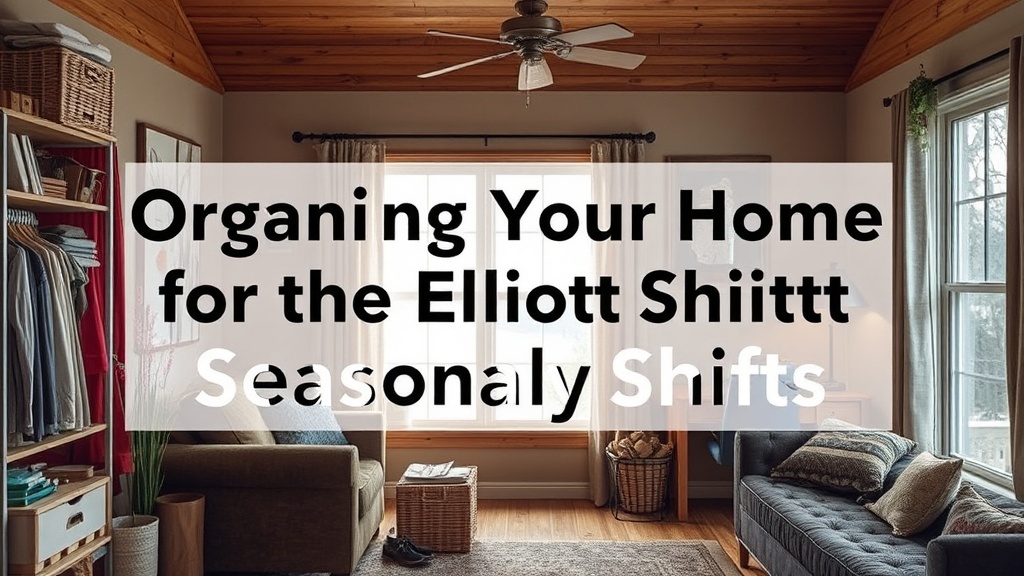
Organizing Your Home for the Elliot Lake Seasonal Shifts

Nearly 30% of households in Northern Ontario face significant unexpected costs due to unmanaged seasonal transitions in their living spaces. In a town like Elliot Lake, where our weather swings from humid summers to heavy snow loads in a matter of weeks, being prepared isn't just about tidiness—it's about protecting your property and your sanity. This guide focuses on how we can better prepare our homes for the unique environmental demands of our specific corner of Ontario.
Living in Elliot Lake means we deal with high humidity in the summer and intense freeze-thaw cycles in the winter. If you don't rotate your belongings or adjust your storage strategies, you'll likely find yourself fighting against dampness or ice-related damage. We're looking at practical ways to organize your garage, basement, and even your utility closets to keep your household running smoothly through every season.
How do I prep my basement for dampness in Elliot Lake?
Many of our homes in the older parts of Elliot Lake, particularly those near the older residential streets, feature basements that are prone to moisture. When the spring thaw hits or we get those heavy summer rainstorms, humidity levels can spike. To manage this, you shouldn't just shove boxes into corners; you need to create airflow.
- improve everything: Never store clothing or paper products directly on the concrete floor. Use plastic bins rather than cardboard, which absorbs moisture from the air.
- Monitor with tech: A simple hygrometer (a device that measures humidity) can tell you if your basement is getting too damp.
- Create pathways: Ensure there is a gap between your storage bins and the walls. This prevents mold buildup and allows any air circulation systems to do their job.
If you notice a persistent musty smell, it might be time to check your sump pump or contact a local professional. Keeping your basement organized also means keeping your mechanical systems accessible. Don't bury your water heater or furnace under a pile of seasonal decorations—you'll regret it when a repair is needed during a cold snap.
Where should I store my seasonal gear to save space?
In our community, we often find ourselves switching between heavy winter gear and light summer equipment. The trick is to use the space that is currently "off-season" for you. For example, during the summer months, your winter tires and snow shovels shouldn't be taking up prime real estate in your main closet or hallway.
A great place for this is the garage or a dedicated storage shed. However, if you're living in a smaller-footprint home near the downtown core, you'll need to be more strategic. Using vertical space is the name of the game. Wall-mounted-racks for your snowshoes or bicycles are much better than leaning them against a wall where they might fall and cause damage.
| Season | Items to Store Away | Ideal Storage Location |
|---|---|---|
| Spring/Summer | Heavy Parkas, Snow Boots, Skis | High shelves in basement or garage |
| Fall/Winter | Lawn Makers, Gardening Tools, Patio Furniture | Weatherproof bins in the garage |
| Transition | Rain Gear, Light Jackets | Mudroom hooks or lower entryway bins |
When storing items in the garage, remember that temperatures in Elliot Lake can drop significantly. If you're storing things like paints or certain cleaning supplies, make sure they are in a climate-controlled area or a very secure, insulated bin to prevent them from freezing and ruining the product.
How can I organize my entryway for much-needed efficiency?
The entryway is the frontline of any Elliot Lake home. It's where the mud, snow, and leaves from our local trails usually end up. A cluttered entryway leads to a cluttered mind and a messy house. To prevent the "pile-up" that happens every time the weather changes, you need a designated station.
We suggest having a dedicated bin for outdoor footwear that is strictly for "outside" shoes. This keeps the dirt and salt from the roads away from your carpets. For those of us who spend a lot of time outdoors, a sturdy boot tray is a lifesaver. Also, keep a small basket near the door for gloves, hats, and scarves so you aren't hunting for them when you're already running late for a community event or a meeting.
If you find your entryway is too small for a full bench and cubby system, try using wall-mounted hooks. This keeps the floor clear and makes it much easier to clean up any salt or slush that makes its way inside. A well-organized entryway ensures that your transition from the outdoors to the comfort of your home is as seamless as possible.
For more information on local weather patterns and how they affect our region, you can always check the Environment Canada website to stay ahead of the curve. Being proactive with your organization is the best way to ensure your home remains a sanctuary, regardless of what the weather is doing outside our windows.