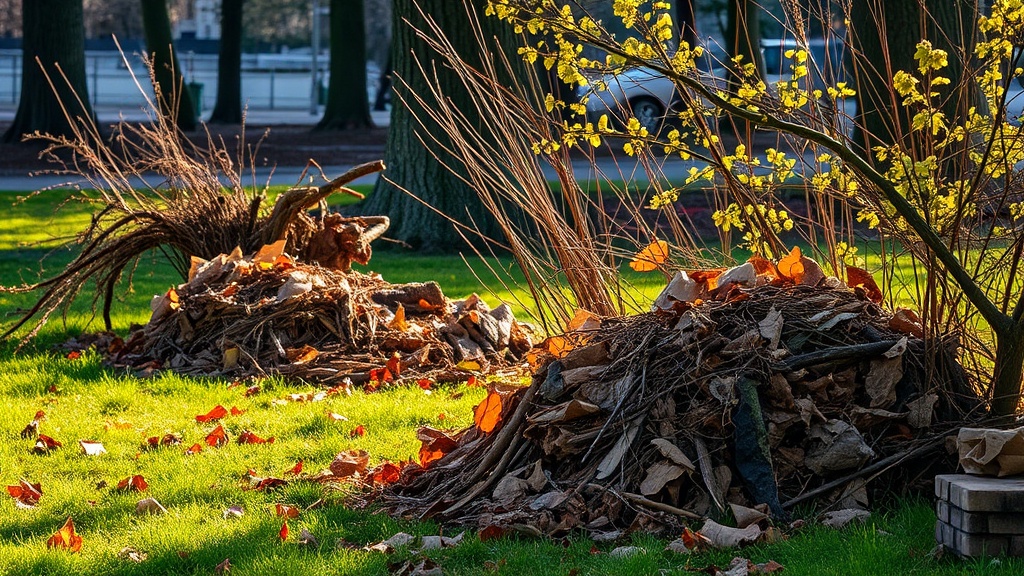
Practical Steps for Handling Your Annual Yard Waste and Spring Cleanup in Elliot Lake

Did you know that during the peak of our spring cleanup, the Elliot Lake landfill on Highway 108 often sees a 40% increase in daily traffic compared to the winter months? It is a staggering amount of material being moved by our neighbours as we shake off the Northern Ontario frost. For those of us living in the Jewel in the Wilderness, the transition from snow to soil is more than just a change in weather; it is a coordinated community effort. This guide covers how to manage your property waste effectively while staying within municipal guidelines and keeping our local environment clean.
We live in a unique spot where the forest meets our backyards, which means our cleanup involves more than just raking a bit of grass. Between the heavy leaf fall from our dense tree canopy and the leftover grit from winter sanding, there is plenty of work to do. Getting it right helps the city crews work faster and ensures our streets—from the hills of Spruce Avenue to the quiet stretches of Milliken Mine Road—stay looking their best. It also prevents unnecessary trips to the dump if you can get your items picked up right at the curb.
When does the city pick up yard waste in Elliot Lake?
The municipal spring cleanup typically kicks off in May, but the exact dates change every year depending on when the snow finally decides to leave us. We usually see the schedule posted on the City of Elliot Lake website or announced through local radio. It is important to remember that yard waste is not picked up with your regular weekly garbage. The city sends out dedicated trucks specifically for organic materials like leaves, grass clippings, and small hedge trimmings.
To ensure your waste is actually taken away, you have to use the right containers. We are required to use either paper yard waste bags or clear plastic bags—never the black or green ones used for kitchen trash. If you are looking for supplies, the Home Hardware on Hillside Drive usually stocks up on these early in the season. When you fill these bags, try to keep them under 40 pounds. Our municipal workers have a lot of houses to cover, and bags that are too heavy or prone to ripping often get left behind. Place your bags at the curb by 7:00 AM on your designated Monday, but do not put them out too many days in advance. Rain can turn those paper bags into a soggy mess that is impossible to move without them falling apart.
Bundling branches is another specific task we have to handle correctly. If you have been pruning your trees or clearing fallen limbs, they need to be tied in bundles no longer than four feet. Use biodegradable twine rather than wire or plastic zip ties. This makes it easier for the crews to toss them into the chipper. Large stumps or heavy logs are not part of the curbside program, so those will need a different plan involving a trailer and a trip up the highway.
Where can we drop off hazardous household items in Elliot Lake?
As we clean out our garages and basements, we often find things that simply cannot go in the trash. Old paint cans, used motor oil, batteries, and expired cleaning chemicals are dangerous if they end up in our local water system. Since we are surrounded by beautiful lakes like Horne and Elliot, protecting our watershed is a big deal for everyone in our community. The city hosts specific Household Hazardous Waste Days throughout the year, usually located at the Public Works yard or the landfill site.
During these events, we can drop off these items for free, which is a great service for residents. It is a good idea to keep a dedicated bin in your shed to collect these things throughout the year so you are ready when the date is announced. Along with chemicals, our community is also very active in recycling electronics. Old televisions, computers, and printers can be taken to the designated bins at the landfill on Highway 108. You can find more information on Ontario's recycling standards through the Resource Productivity and Recovery Authority, which helps explain why keeping these out of the ground is so vital for our province.
If you have larger metal items like old appliances or scrap metal, these are also handled separately. Many locals find that putting a "free" sign on a metal appliance near the curb (if permitted by current bylaws) results in a local scrapper picking it up within hours. If not, the landfill has a dedicated scrap metal area. Just be sure to remove any cooling gases from fridges or freezers before taking them in, as there is usually a fee for units that have not been tagged as decommissioned by a technician.
How do we manage composting without attracting local bears?
One of the biggest challenges we face in Elliot Lake is our furry neighbours. Bears are a constant presence in our community, especially when they wake up hungry in the spring. While composting is a great way to reduce what we send to the landfill, a traditional open compost pile is basically a dinner bell for a black bear. We have to be much smarter about how we handle organic waste here than people living in Southern Ontario might be.
If you want to compost at home, we recommend using a heavy-duty, bear-resistant bin. These are usually made of thick plastic or metal with locking lids. Even then, you should never put "smelly" food scraps like meat, dairy, or oils in an outdoor bin. Stick to "brown" materials like dried leaves and "green" materials like grass clippings or vegetable peelings. If you find your backyard is becoming a frequent stop for wildlife, it might be better to skip home composting entirely and rely on the city's leaf and yard waste collection instead. It is not worth the risk of a bear becoming habituated to your property.
Another tip for bear safety during cleanup is to keep your garage doors closed while you work. It is easy to get distracted raking the front lawn while the back door is wide open, giving a curious bear easy access to your birdseed or pet food. We also suggest cleaning your barbecue grills early in the season. That leftover grease from last autumn is a high-calorie prize for a bear. A good scrub with some degreaser from the Canadian Tire on Ontario Avenue will go a long way in keeping your yard safe for your family and pets.
Beyond waste, spring is the time to check our properties for any damage caused by the heavy snow loads. Check your shingles, clear out your gutters, and make sure the grading of your soil is still sloping away from your foundation. With the spring runoff, basements in some of our older neighbourhoods can be prone to dampness if the water has nowhere to go. Taking a few hours now to ensure your downspouts are clear and pointing toward the street or a drainage ditch can save you a lot of trouble when the heavy May rains arrive.
Finally, consider checking in on your neighbours. Many of our long-time residents have lived in Elliot Lake since the mining days and might need a hand with the heavy lifting. Spending an hour helping a neighbour haul their bags to the curb or clearing a blocked culvert is what makes our community such a great place to live. It is that local spirit that keeps Elliot Lake looking like the Jewel in the Wilderness, even during the muddy weeks of the spring thaw.