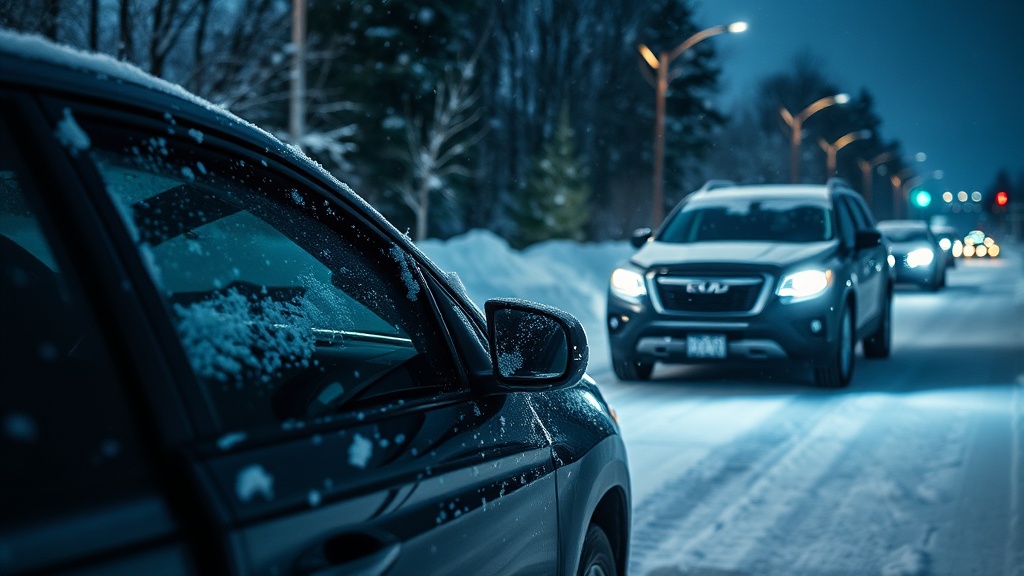
Preparing Your Vehicle for Northern Ontario Winter Driving

The thermometer on your dashboard dips to -25°C, the wind is whipping off the Great Lakes, and the salt from the Highway 129 maintenance is already eating at your wheel wells. Living in Northern Ontario isn't a hobby—it's a survival skill. This post breaks down exactly how to prep your vehicle for the brutal reality of Northern Ontario winters, from battery maintenance to tire selection, so you aren't left stranded on a dark stretch of road near Blind River.
Getting your car ready before the first heavy snow hits is the difference between a smooth commute and a frantic call to a tow truck. We’re looking at mechanical checks, seasonal gear, and the specific gear you need for our unique climate.
What Are the Best Winter Tires for Northern Ontario?
The best winter tires for our region are those that maintain rubber flexibility in extreme sub-zero temperatures and provide deep tread for cutting through slush and packed snow. While all winter tires are better than all-season tires, the specific demands of Northern Ontario—like the frost heaves on secondary roads—require something more substantial.
If you drive frequently on the highway, you might want to look at the Bridgestone Blizzak series. They are legendary for a reason: they grip ice better than almost anything else on the market. If you're more of a city driver staying within the Elliot Lake limits, the Michelin X-Ice is a solid, reliable choice that won't break the bank.
Don't just settle for "good enough." A cheap set of used tires from a Facebook Marketplace listing might look okay in October, but they'll be useless once the temperature hits -15°C. Here is a quick breakdown of what to look for:
| Tire Type | Best Use Case | Pros | Cons |
|---|---|---|---|
| Studded Tires | Icy, unplowed backroads | Extreme grip on ice | Can damage paved roads |
| Premium Winter (Blizzak) | Highway driving/Highways | Excellent slush handling | Higher price point |
| Standard Winter | Local commuting | Affordable/Reliable | Less grip on pure ice |
Make sure your tires meet the legal requirements set by the Ontario Motor Vehicle Act regarding tread depth and condition. It's not just about safety; it's about the law.
How Do I Prevent My Car Battery from Dying in the Cold?
You prevent your car battery from dying by ensuring it is fully charged, tested for capacity, and kept in a temperature-controlled environment if possible. In Northern Ontario, the cold is a silent killer for lead-acid batteries. When the temperature drops, the chemical reaction inside the battery slows down, reducing its ability to provide cranking power.
If your battery is more than three years old, get it tested at a local shop. Most auto parts stores will do a quick test for free. If you see a lot of corrosion on the terminals—that white, crusty powder—clean it off immediately with a mixture of baking soda and water.
A few tips for battery survival:
- Use a Battery Tender: If you have a garage, a trickle charger can keep your battery healthy during long periods of non-use.
- Check the Voltage: If your engine is cranking slowly during a cold start, your battery is struggling.
- Keep it Clean: Dirt and grime can actually conduct electricity and cause a slow parasitic drain.
It's a pain to deal with a dead battery when you're trying to get to work in the morning, but a $100 battery replacement is much cheaper than a $200 tow fee.
What Should I Keep in My Winter Emergency Kit?
Your winter emergency kit should include items that provide warmth, light, and the ability to signal for help if you get stuck. Don't just throw a single blanket in the trunk and call it a day. You need a dedicated kit that can handle a multi-hour wait in a snowbank.
I always keep a dedicated bin in my trunk because things tend to roll around and get lost under the seats. Here is my personal checklist for a Northern Ontario survival kit:
- Warmth: A heavy-duty wool blanket or a high-quality sleeping bag. (I personally swear by a Coleman compact sleeping bag for much more reliable warmth than a standard blanket.)
- Light: A high-lumen LED flashlight with extra batteries. Avoid cheap flashlights that die after ten minutes of use.
- Food and Water: Non-perishable snacks like granola bars and at least two liters of water.
- Tools: A collapsible shovel, a bag of sand or kitty litter (for traction), and a tow strap.
- Safety: A first-aid kit and a portable jump starter—the NOCO Genius jump starter is a lifesaver if you don't have another car to help you.
If you find yourself stuck on a remote road, your priority is staying visible and staying warm. If you can't see your way out, don't try to walk through a blizzard—stay with your vehicle. It's much easier for search and rescue to find a car than a person walking in the snow.
For more information on road safety and winter driving regulations, you can visit the Ontario Ministry of Transportation website. They have excellent resources on how to handle driving in low-visibility conditions.
The reality of driving in the North is that things will go wrong. A tire will go flat, the battery will fail, or you'll get stuck in a drift. Being prepared isn't being paranoid—it's being smart. If you take the time to check your fluids, your tires, and your emergency supplies now, you'll be much more confident when the first blizzard rolls through the Algoma District.
Make sure you check your coolant levels too. Using the wrong type of antifreeze can actually damage your engine over time. You can find detailed technical specs on various fluids through Wikipedia or by checking your owner's manual. Don't guess with your engine.
Steps
- 1
Check Your Battery and Fluids
- 2
Install Winter Tires
- 3
Pack an Emergency Kit
- 4
Test Your Defroster