Setting Up Your Home Garden for the Elliot Lake Growing Season

What You Need to Know About Our Local Growing Season
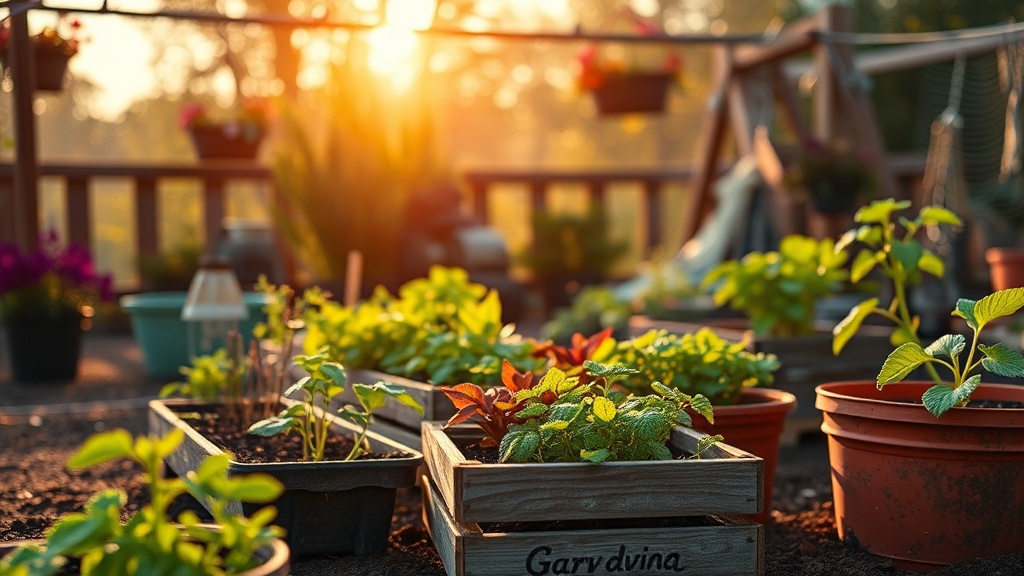
This guide covers everything you need to get your backyard or balcony garden ready for the specific growing conditions we face right here in Elliot Lake. You'll learn about our unique soil needs, how to time your planting around the unpredictable Northern Ontario weather, and how to manage a garden in our specific climate. Whether you're starting a small raised bed in the Peterson area or a larger vegetable patch near Station Street, these steps will help your plants thrive.
Gardening in Elliot Lake isn't quite the same as it is in Southern Ontario. We deal with much more erratic spring temperatures and a shorter window of consistent warmth. If you're a beginner, don't let the rocky terrain or the late frosts scare you off. Our community has a long history of self-sufficiency, and much of that starts with a well-planned garden. We've seen neighbors successfully grow everything from tomatoes to hearty greens, provided they respect the local rhythm of the seasons.
Where Should You Start Your Garden in Elliot Lake?
Before you even buy a packet of seeds, you need to look at your yard. Most of our neighborhoods in Elliot Lake are built on the Canadian Shield, which means we're often dealing with more rock than rich topsoil. If you live in a neighborhood with heavier clay or rocky patches, you'll likely want to invest in raised beds rather than trying to dig directly into the ground. Raised beds allow you to control the soil quality from day one, which is a huge advantage when you're dealing with the local terrain.
Sunlight is your next big factor. Because we're further north, the angle of the sun changes significantly throughout the season. I always suggest tracking the sun in your specific backyard for at least a full day before committing to a location. A spot that looks sunny in May might be in total shade by July because of the way the hills surround our town. If you're near the downtown core or the more wooded residential streets, keep an eye on how the trees affect your light exposure. A successful garden needs at least six to eight hours of direct sunlight to produce a decent harvest.
How Do You Prepare Soil for Northern Ontario?
Since much of our local soil can be acidic or quite thin, amending it is a non-negotiable step. You can't just dig a hole and expect magic to happen. I've seen many folks try to plant too early, only to have a sudden frost hit the area near the Elliot Lake District High School area and wipe out their hard work. To avoid this, focus on building your soil structure first. Adding organic matter like compost or well-rotted manure is the best way to give your plants a fighting chance in our environment.
If you're looking for supplies, you can often find high-quality compost and organic amendments at local hardware stores or garden centers around town. When you're prepping, remember that our soil drainage can be tricky. If you have heavy clay, your plants might suffer from "wet feet" during the heavy rains we sometimes see in early summer. Adding perlite or coarse sand can help, but a raised bed is often the simplest solution for most of us living in the Elliot Lake area. You can check out more general advice on soil health from the Ontario Ministry of Agriculture, Food and Rural Affairs to understand the broader science behind it.
When is the Best Time to Plant in Elliot Lake?
Timing is everything here. The biggest mistake I see is people getting excited about the first warm week in May and planting their summer vegetables too soon. In Elliot Lake, we can get a sudden dip in temperature even in late May or early June. This is especially true if you're in a low-lying area or a more sheltered valley. Wait until the danger of frost has truly passed. A good rule of thumb is to wait until the soil temperature is consistently above 10-15 degrees Celsius.
Here is a general timeline for our local area:
- Early Spring: Focus on hardy greens like kale, spinach, and radishes. These can handle a bit of a chill.
- Late Spring/Early Summer: This is when you bring out the tomatoes, peppers, and cucumbers. Don't rush this; wait for the warmth to actually settle in.
- Mid-Summer: This is the time for maintenance—watering, weeding, and watching for pests.
- Late Summer: Start thinking about your fall harvest. Some of our locals find that a second round of planting in late summer can yield great results before the first frost.
If you need more technical data on growing seasons and plant hardiness zones, the Hardiness Zone tool is a great resource to cross-reference with our local conditions. Even though it's a broad tool, it helps you understand the baseline for our region.
How Do You Manage Pests and Water in Our Climate?
Because our summers can be relatively short and sometimes quite dry, consistent watering is key. It's better to water deeply a few times a week than to do a light sprinkle every day. This encourages roots to grow deeper into the soil, making them more resilient to the heat. In the more residential areas of Elliot Lake, I've noticed that many people rely on rain barrels to collect water, which is a great way to stay sustainable and keep your garden hydrated during those dry spells.
Pests can be a real headache, especially as the weather warms up. You might notice aphids or even larger garden pests appearing once the temperatures rise. Instead of jumping straight to heavy chemicals, try to use organic methods first. Many of us in the community prefer to keep our gardens as natural as possible. Companion planting—like planting marigolds near your vegetables—can help deter certain pests naturally. It's a small effort that pays off in the long run.
Don't get discouraged if things don't go perfectly the first year. Gardening in the North is a learning process. Every season brings new insights into how our local weather patterns affect your specific patch of land. Whether you're gardening in a small pot on your porch or a full-sized backyard, you're part of a long-standing tradition of local food production right here in our community.