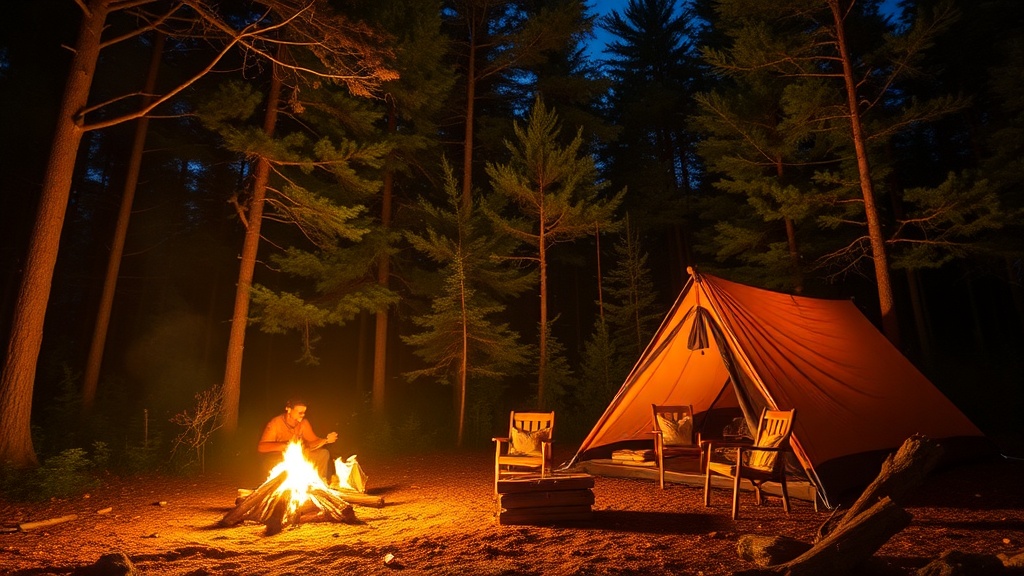
Setting Up Your Backyard Camp for Northern Ontario Nights

The air in Northern Ontario shifts the moment the sun dips behind the hills. One minute, it’s a humid summer evening; the next, a sharp, damp chill rolls off the nearby lakes, making you realize exactly how much heat escapes from a standard tent. Setting up a backyard camp isn't just about throwing a tarp over some poles—it's about managing the specific variables of our climate, from the unpredictable bugs to the sudden temperature drops. This guide covers how to build a functional, comfortable, and safe campsite right in your own backyard, ensuring you actually enjoy the night instead of shivering through it.
What Gear Do I Need for a Northern Ontario Backyard Camp?
You need a combination of high-quality weather protection, reliable lighting, and temperature-regulating bedding to survive a night outdoors in our region. While you aren't trekking through the backcountry, the weather here is still capable of throwing a curveball. A heavy-duty canvas tent or a high-quality synthetic one like those from Coleman works best because they handle the dew well.
Don't overlook the ground. Even if you're just a few feet from your back door, the dampness from the grass will seep through a thin yoga mat or a cheap blanket in minutes. I highly recommend a dedicated sleeping pad or even a self-inflating mattress. If you're using a standard air mattress, make sure you have a thick wool blanket between you and the mattress—the air inside the mattress gets cold as soon as the outside temp drops.
Here is a quick checklist of the essentials:
- The Shelter: A 4-season or high-quality 3-season tent.
- The Bedding: A sleeping bag rated for at least 0°C (even in summer, our nights get crisp).
- The Lighting: A headlamp (hands-free is better) and a lantern for the central table.
- The Bug Defense: High-quality repellent or a citronella candle.
- The Comfort: A portable power bank for your phone and a small folding chair.
One thing I’ve learned the hard way: never rely on a single light source. If your flashlight dies while you're trying to find your way back to the sliding glass door, you're going to have a very frustrating night.
How Do I Keep My Backyard Camp Warm?
The best way to stay warm is to use layers and a high-quality sleeping pad to create a thermal barrier between you and the cold ground. In Northern Ontario, the ground acts like a giant heat sink, sucking the warmth right out of your body. Even if you're using a top-tier sleeping bag, a lack of insulation underneath will make the whole setup useless.
If you're planning on staying out late, consider a small, controlled fire pit. However, check your local municipal bylaws first—we don't want any issues with the neighbors or the fire department. A portable fire pit like a Solo Stove is a great option because it's controlled and produces much less smoke, which keeps the bugs at bay too.
Pro-Tip: If you have a way to heat water, a thermos of hot tea or even just warm water can act as a heat reservoir in your sleeping bag. It sounds simple, but it works wonders when the temperature hits that 10°C mark at 3:00 AM.
| Method | Pros | Cons |
|---|---|---|
| Electric Heater | Very consistent heat | Requires long extension cords; trip hazard |
| Fire Pit | Great atmosphere/ambiance | Smoke can attract more mosquitoes |
| Hot Water Bottle | Zero setup; very cozy | Temporary solution only |
How Do I Deal with Bugs and Mosquitoes?
Using a combination of physical barriers and repellent is the only way to ensure you aren't eaten alive by the local insect population. Even in a backyard, the mosquitoes in Northern Ontario can be relentless once the sun goes down. A tent with a high-quality mesh screen is your first line of defense.
If you're sitting around a table, a portable bug zapper or even just a few citronella coils can help create a small "safe zone." But let's be honest—nothing beats a good repellent. I usually stick to products containing DEET or Picaridin, but if you prefer something less intense, look for Thermacell products which are quite effective for stationary areas.
It's also worth noting that mosquitoes are attracted to carbon dioxide and heat. This means if you're sitting right next to a group of people, you're basically a giant neon sign for them. Spacing out your seating can actually help a little bit.
If you find yourself constantly dealing with gear-related issues or preparing for more extreme conditions later in the year, you might find my guide on preparing your vehicle for Northern Ontario winter driving useful for a different kind of outdoor prep. The mindset of being prepared for the elements is the same, whether you're in a car or a tent.
What Should I Watch Out For in My Backyard?
Safety in a backyard camp involves checking for overhead hazards, ground stability, and local wildlife activity. Even though you're in a residential area, you're still in the middle of the bush. This means things like low-hanging branches that might snap in a windstorm or even a curious raccoon looking for snacks.
First, look up. If you're pitching a tent under a tree, make sure there aren't any dead or dying limbs. A sudden summer thunderstorm can turn a beautiful evening into a dangerous situation very quickly. Second, keep your food management tight. Do not leave your snacks or even your trash sitting out overnight. This isn't just about smell; it's about preventing local wildlife from deciding your backyard is an all-you-can-eat buffet. A raccoon can be surprisingly strong and quite determined when it wants your leftover hot dog.
Also, keep an eye on your power cords. If you're running lights or heaters from the house, make sure the cords are taped down or covered with a heavy-duty mat. You don't want to be tripping over an extension cord in the dark while trying to get to the bathroom.
It's a bit different from the things locals actually do in Elliot Lake, but the goal is the same: enjoy the local environment without letting the logistics ruin the experience. A little bit of planning goes a long way in preventing a "backyard disaster" that ends with you running back inside to your actual bed at midnight.
The key is to respect the environment, even if it's just a few meters from your kitchen. The weather here doesn't care that you're in your own yard; it's still going to be cold, damp, and buggy if you aren't ready for it.
Steps
- 1
Choose a Level Surface
- 2
Check for Overhanging Branches
- 3
Set Up Your Sleeping Area
- 4
Create a Safe Fire Zone